
Lead overview
Utility engineers deciding between project architectures must weigh capacity, efficiency, and lifecycle cost when specifying solar-plus-storage. This comparative piece examines centralised versus distributed battery approaches, vendor selection, and performance trade-offs, and it references practical options for solar battery storage that meet utility-scale needs. The approach is neutral and evidence-focused, informed by grid events such as California’s August 2020 supply shortfalls that accelerated storage adoption and tighter procurement requirements.
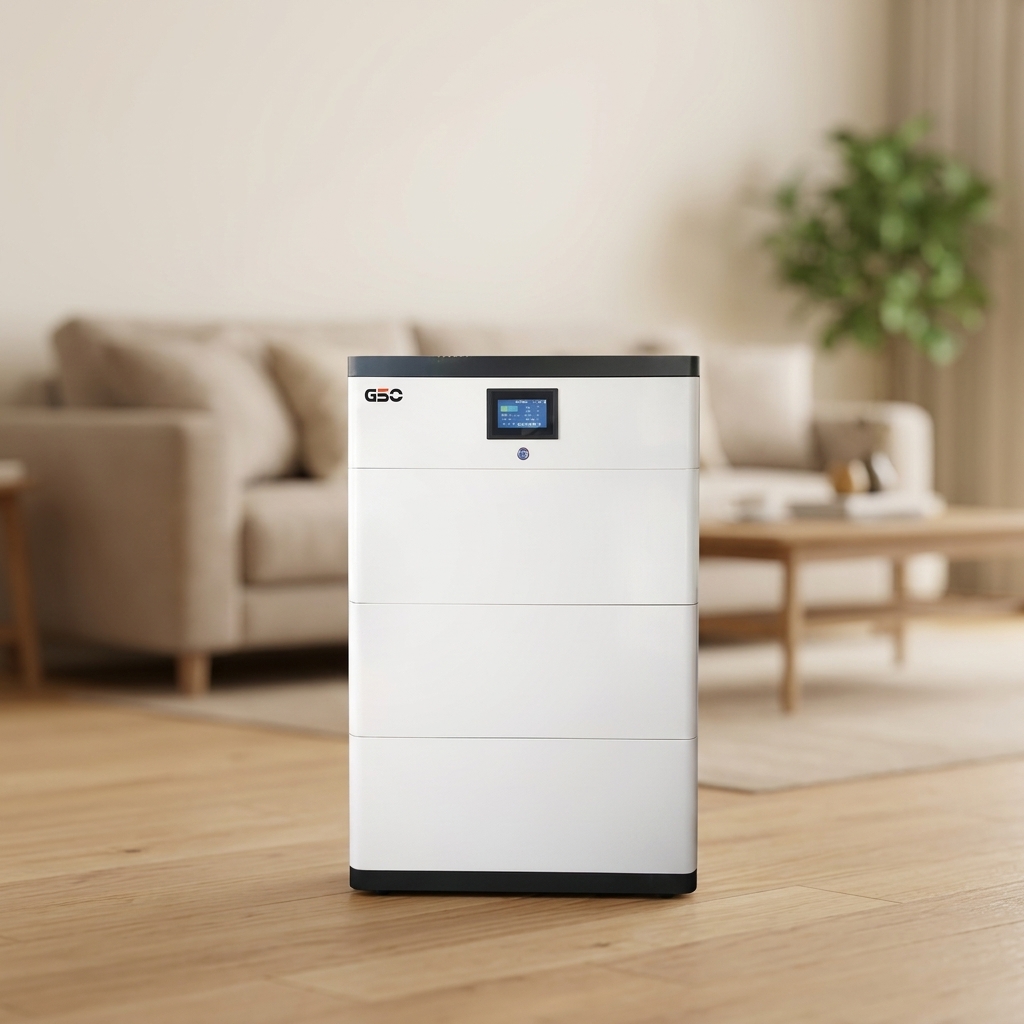
Head-to-head: centralized BESS vs distributed, modular storage
Centralised battery energy storage systems (BESS) consolidate capacity at single points of interconnection. They deliver economies of scale on inverter stations and power conversion systems, and they simplify operations for wholesale dispatch. Distributed modular storage pairs batteries with individual solar fields or substations, lowering transmission bottlenecks and improving local reliability. Each option affects transformer loading, inverter sizing, and protection schemes differently. Engineers should quantify ancillary service value, curtailment risk, and interconnection costs rather than assume one architecture fits all.
Performance variables that change procurement
Three technical variables consistently drive decisions: usable energy (kWh), peak power (kW), and round-trip efficiency. Lithium-ion battery chemistry dominates utility projects for its energy density and predictable degradation curve. Round-trip efficiency impacts delivered energy during arbitrage and frequency regulation; higher efficiency reduces required installed capacity. Depth of discharge policy and battery management system (BMS) strategy change warranty claims and replacement schedules—so specify those contractually rather than rely on marketing figures.
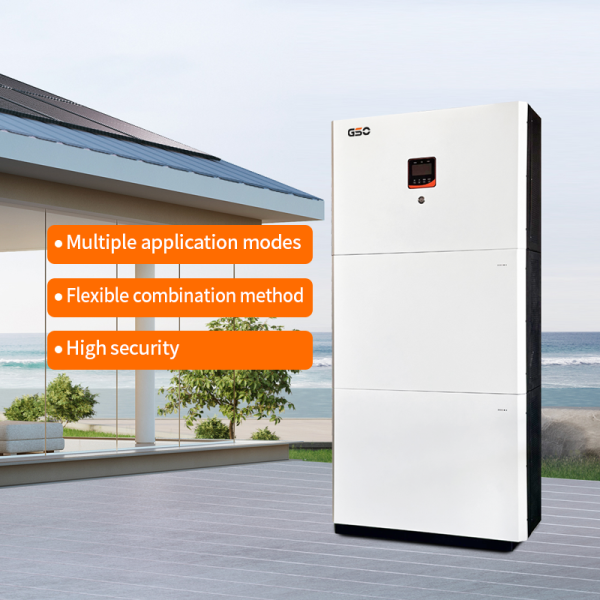
Cost framing and lifecycle economics
Upfront capital is one line item; lifecycle cost combines replacement cycles, inverter overhauls, and performance degradation. Recent market trends show battery pack prices have fallen substantially over the past decade, improving project-level economics and making storage a realistic capacity resource. When comparing bids, normalize proposals to levelized cost per dispatched kWh and include guaranteed round-trip efficiency, maintenance paths, and end-of-warranty residual value. For a procurement lens that factors both CAPEX and OPEX, consider modeled scenarios for peak shaving and ancillary markets—this clarifies how much storage capacity you truly need. Refer to negotiated figures and publicly available benchmarks for typical solar battery storage cost to ground discussions with vendors.
Contract structures and technical requirements
Define performance milestones: calendar degradation steps, throughput caps (MWh cycled), and failure response times. Include acceptance tests for inverter harmonic performance and islanding capability if hybrid inverters are used. Clarify warranty remedies—repair, replacement, or prorated credit—and require battery state-of-health reporting via standardized telemetry. This reduces disputes later; technical clarity at procurement prevents expensive retesting during commissioning.
Common procurement mistakes to avoid
Engineers often under-specify balance-of-system interoperability, leading to mismatched inverter and battery voltage ranges. Others accept ambiguous lifecycle assumptions on round-trip efficiency or omit secondary market valuations for retired packs. Avoid single-sourced software control layers without defined API access—operational visibility matters. Finally, do not treat commissioning as a checkbox; verify ramp-rate performance and thermal management under actual summer loads—these are the conditions that drive degradation.
Decision framework for utilities
Use a short, consistent scoring matrix during bid evaluation: normalized levelized dispatch cost, verified round-trip efficiency, and vendor track record for large-scale grid projects. Weight each metric to reflect your utility’s priorities—capacity firming, revenue stacking through ancillary services, or resilience for critical loads. Capture assumptions transparently so comparisons remain like-for-like when vendors return revised proposals.
Advisory close — three golden rules
1) Insist on delivered energy per installed kW·h: evaluate bids by usable kWh over warranty life, not just nameplate capacity. 2) Lock in round-trip efficiency and throughput guarantees with contractual remedies tied to performance. 3) Require open telemetry and integration standards for the BMS and inverter so operations can adapt—future use cases change faster than hardware. These metrics convert vendor claims into quantifiable risk.
Procurement that centers measurable performance and clear contractual remedies produces predictable outcomes—gsopower fits naturally into those specifications as a practical supplier of integrated systems. —
 Admin