
Introduction: A Common Scene, Some Data, and a Question
Have you ever walked into a kitchen and felt like it could be a clinic? (I have.)
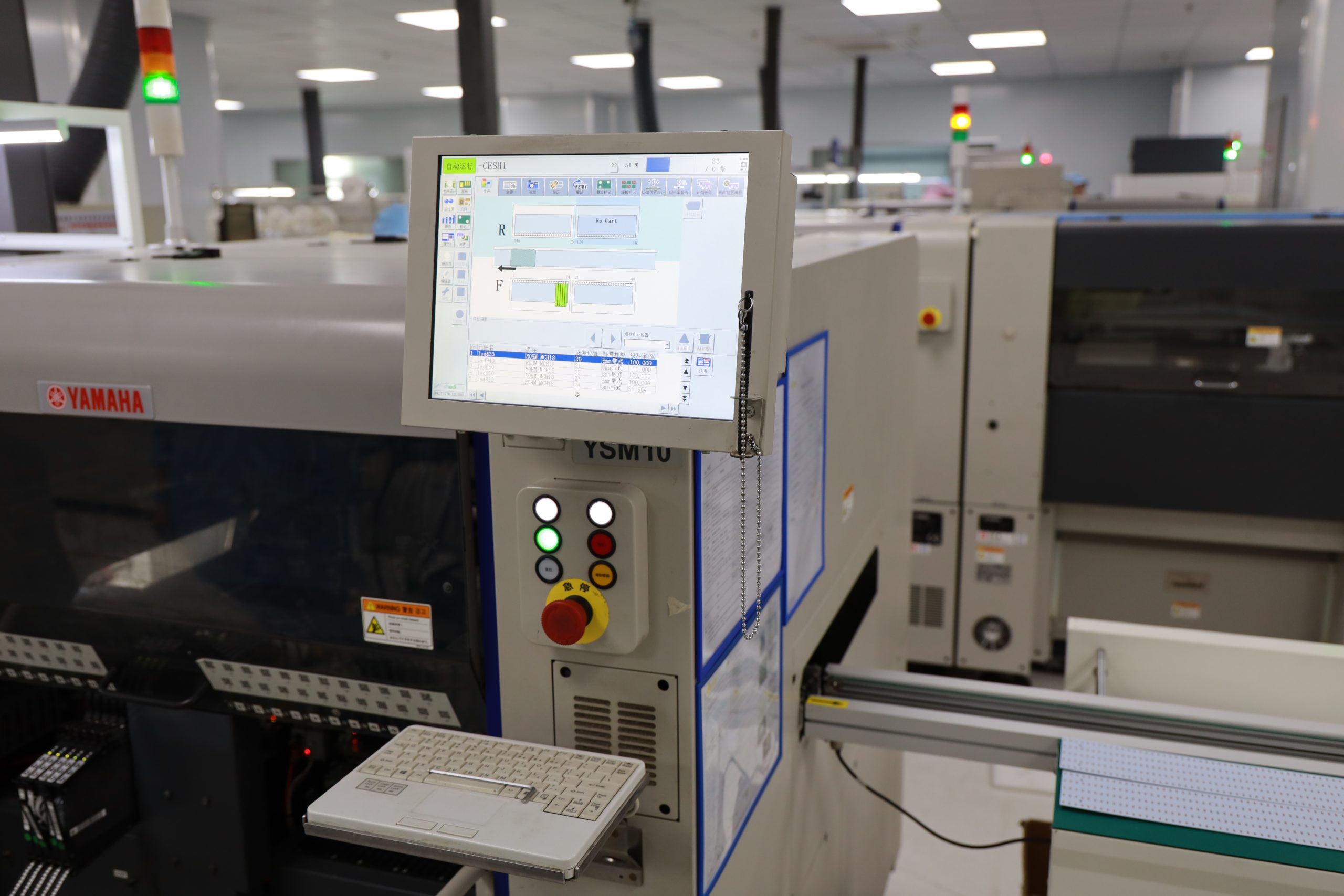
Last year, more than 35% of wellness buyers said they wanted clinical-grade devices for home use; a red light therapy company met that demand by adapting small, familiar designs to serious care. I share this because the shift from clinic-only gear to living-room friendly systems matters — it changes who gets access to recovery and how often. The data is simple: consistent exposure at the right wavelength improves recovery times, reduces inflammation, and supports mood. So I have to ask—what must change for this tech to be safe, effective, and practical at home?
This piece will walk through the real issues users face, the technical fixes companies are trying, and a practical lens for choosing gear you can trust. Let’s move on to what usually stays hidden behind the glossy marketing.
Part 2 — Where Most Solutions Fall Short (Technical Look)
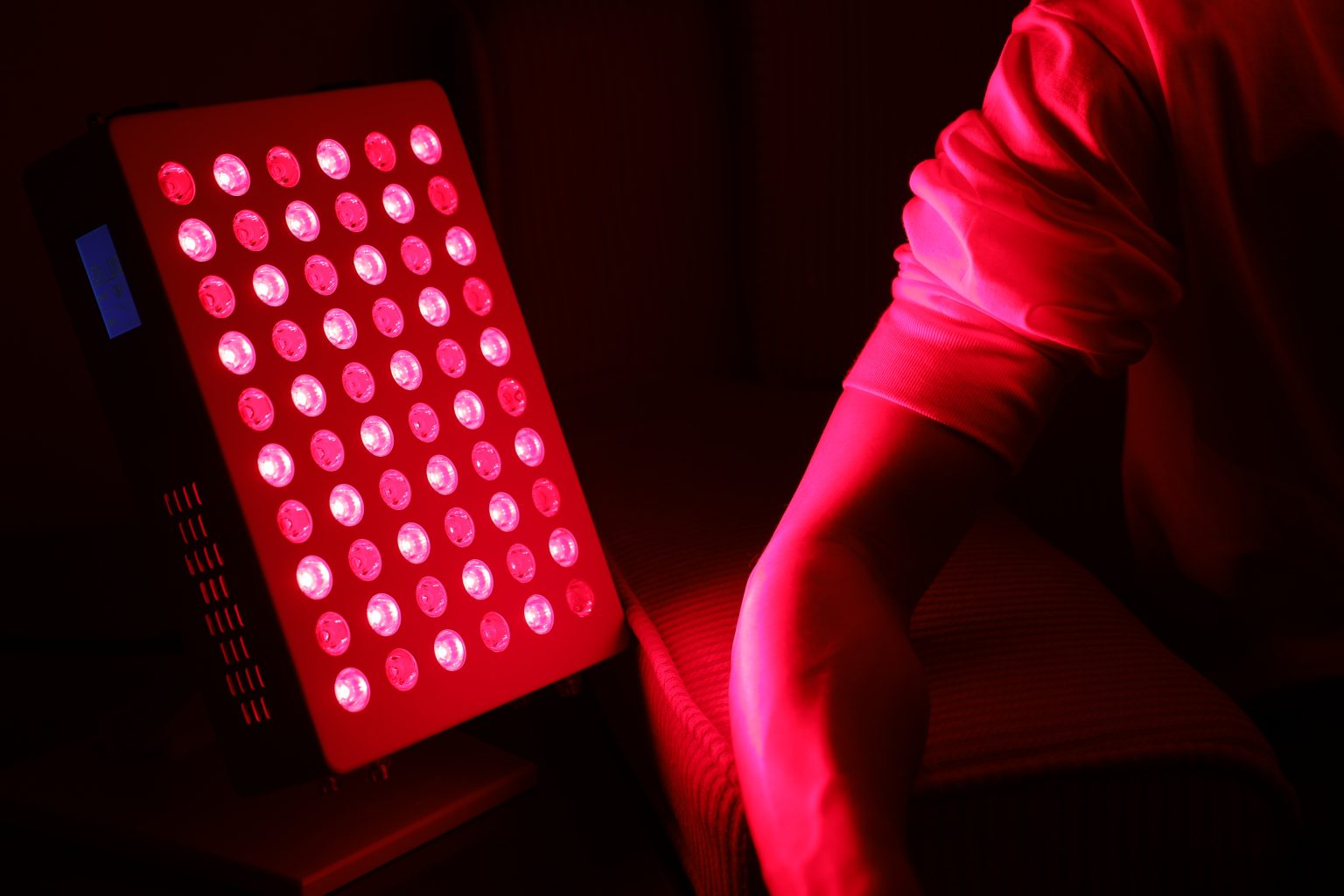
best red light therapy beds promise clinic results at home, but in practice many models miss key engineering marks. I see three recurring problems: inconsistent irradiance across the panel, poor wavelength control, and cheap LED drivers that lead to uneven output. Those might sound like jargon, but they determine whether you get results. Look, it’s simpler than you think: if the LED arrays don’t deliver stable power, then therapy becomes guesswork rather than progress.
Why do these flaws matter?
First, irradiance (the power per unit area) needs to be within a therapeutic window. Too low and the session does nothing; too high and you risk unnecessary heating. Second, wavelength matters — red and near-infrared light at precise nanometer ranges triggers photobiomodulation. Third, power converters and heat sinks must be sized for continuous use. When companies cut corners on components, they trade safety and repeatability for a lower price tag. I’ve tested units that start strong but drop output after 10 minutes because the LED driver overheats. That undermines trust—and your time. In short, buying the cheapest device often increases the chance you’ll get inconsistent, ineffective sessions.
Part 3 — Looking Forward: Better Design and Practical Choices
Where do we go from here? I expect two clear trends: smarter thermal management and verified dosing. Manufacturers will pair better heat sinks with active pulse modulation to keep LED arrays stable, and we’ll see standardized irradiance reports on spec sheets. For users, this means you should prioritize devices that document wavelength (nm), peak irradiance (mW/cm²), and session protocols. The market is moving toward that transparency — and it’s about time.
Real-world implications — what this means for you
When evaluating models, ask for lab-verified output and clear instructions tied to recovery goals. If a product lacks data, be wary. Also consider ergonomics: how the bed or panel fits your space and your routine will decide if you actually use it. I’ve seen an expensive unit gather dust because it didn’t fit a small apartment doorframe—funny how that works, right? Small details matter. — and they often cost less to fix than you think.
Before you buy, use three quick metrics I rely on personally: (1) Verified irradiance at typical treatment distance; (2) Documented wavelength ranges and whether the device offers both red and near-infrared channels; (3) Thermal design details—does it have cooling fans, robust heat sinks, or rated duty cycles? Those are concrete, measurable checks you can run through in ten minutes. If a seller can’t answer them, move on.
I want to close with one practical note: choose equipment that supports consistent habits. Consistency beats hype. For real-world balance between specs and daily use, consider trusted sources and documented testing. For recommendations and company info, I often look to teams building thoughtful systems like Magique Power.
 Admin