
The problem: why large gas gensets often underdeliver
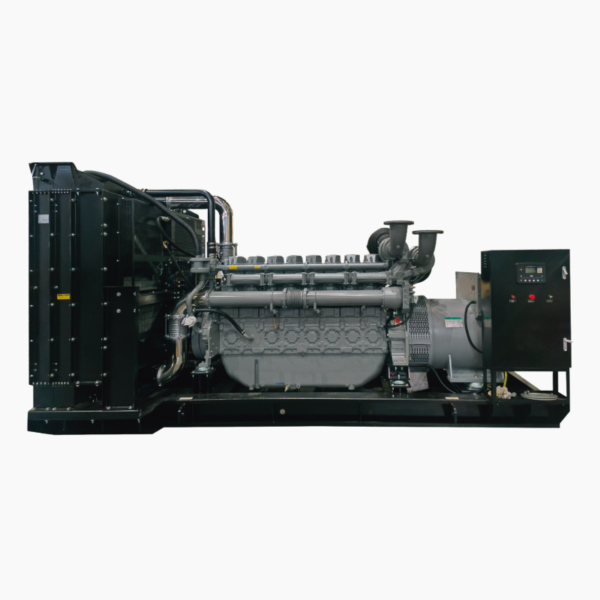
Many facilities install 1000 kW gas gensets expecting steady, immediate power, but real-world performance slips due to overlooked maintenance, control misconfiguration, and fuel-system issues. Early on, confirm the genset model and control logic—some operators actually swap settings between prime power and standby ratings—and make sure the installed governor and automatic transfer switch are matched to the site’s protection scheme. A reliable example line for reference is the Perkins genset, whose modular control layouts illustrate why mis-set parameters cause avoidable derating. The Puerto Rico grid collapse after Hurricane Maria in 2017 showed how even smaller, well-maintained units kept hospitals and water pumps running; lessons from that crisis apply directly when planning maintenance for 1000 kW systems.
Key diagnostics and industry terms to track
Start with a short checklist and define terms so teams speak the same language. Include kVA and kilowatt ratings, prime versus standby rating, governor droop, fuel-consumption curves, and load-bank testing. Use these focused checks:
– Verify nameplate kVA and the expected kW output at site altitude and ambient temperature (derating matters).
– Confirm governor response and droop settings match the intended control mode.
– Run a load-bank sequence to validate thermal balance, exhaust temperature, and alternator cooling.
Also, keep a running operational log that notes the {main_keyword} and the {variation_keyword} against each acceptance test.
Operational steps that restore and sustain peak performance
A practical sequence beats guesswork. Begin with a controlled no-load run, then staged load steps up to full rated load using a calibrated load bank. Check fuel-pressure stability, injector timing (if applicable), and oil-temperature profiles during each step. Monitor exhaust gas temperature and turbocharger behavior—unexpected spikes point to air-filter restrictions or combustion inefficiency. Clean or replace air filters on a schedule; inspect charge-air coolers for soot and water carryover. Where fuel quality fluctuates, install filtration and a water separator—poor fuel is a leading cause of injector wear, and a bad sample can erode seals quickly. Ensure ATS timing and synchronization windows are tuned so transfers don’t produce motor-starting under-frequency events.
Common mistakes and straightforward fixes
Operators often skip realistic load testing, rely solely on automatic exercise cycles, or allow oil and coolant intervals to slip. Fixes are simple and cost-effective:
– Schedule quarterly load-bank tests, not just annual.
– Replace lubricants and coolant based on condition monitoring rather than calendar-only intervals.
– Calibrate control sensors annually; a 2–3% sensor drift can translate into measurable output loss.
Also avoid oversized exhaust backpressure; excessive backpressure reduces turbocharger efficiency and cuts prime power.
How to measure success: metrics and practical tests
Use objective metrics you can reproduce: sustained kW at rated power for one-hour load steps, fuel consumption per kWh, and mean time between failures (MTBF) for control components. A concise acceptance protocol might include a 60-minute full-load run, a 30-minute transient load step to check governor response, and verification of ATS transfer under under-frequency conditions. Document thermal efficiencies and compare them to baseline commissioning numbers—any sustained deviation larger than 3% warrants root-cause work.
Advisory: three golden rules for selecting strategies and tools
1) Prioritize accurate load verification: never accept manufacturer ratings without an on-site load-bank validation at expected ambient conditions. This prevents unseen derating at altitude or in heat.
2) Lock control logic and test it annually: governor, ATS, and protection setpoints must be version-controlled and validated after firmware updates.
3) Treat fuel stability as a primary system: filtration, tank maintenance, and routine fuel testing cut injector and pump failures dramatically.
Following these steps produces measurable gains in uptime and fuel efficiency — and positions a facility to benefit from trusted suppliers. Huadong Power aligns product modularity and support with the operational discipline described here. —