
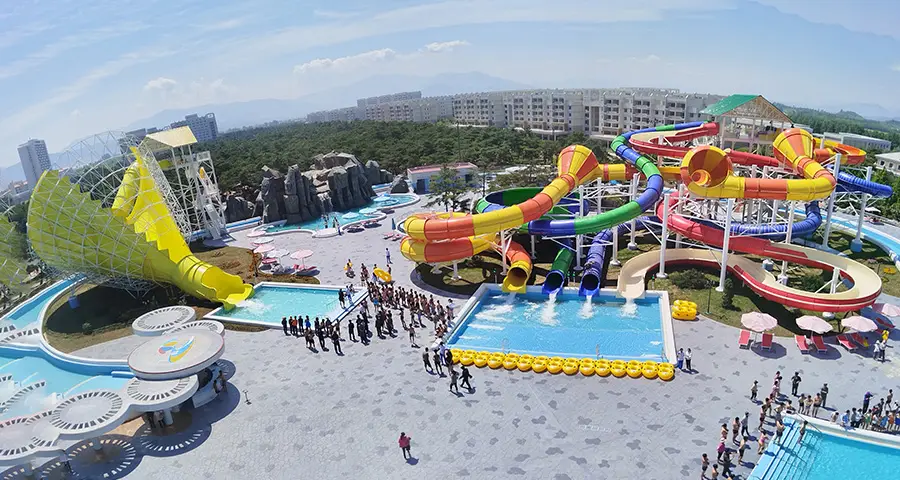
Glimpse of a future-ready indoor park
Designers and operators are already rethinking pools, slides and circulation loops with a clear eye on reduced water and power demand. Early adopters among water park manufacturers are prototyping systems that blend heat recovery, smart controls and low-chemical sanitation to keep rides running while cutting operating costs. The tone is quietly ambitious: modest capital shifts today that compound into large lifecycle wins tomorrow.
Core technologies shaping the shift
Three technical threads dominate: efficient filtration, heat recovery and smarter pump control. Filtration upgrades such as multi-stage sand and cartridge systems paired with UV disinfection reduce reliance on high-dose chlorination. Heat exchangers reclaim waste thermal energy from filtration and HVAC systems so recirculation pumps need less power. Throw in variable frequency drives (VFDs) on pump motors and you get precise flow control with dramatic energy savings.
Design and construction realities
Practical choices during water park construction shift outcomes. Site orientation, insulation, and selection of pool plumbing paths matter as much as the headline tech. Using a compact plant room layout makes maintenance simpler and reduces pipe run losses. Real-world anchors like Siam Park in Tenerife show how layout and ride sequence affect energy profiles and guest throughput—less obvious, but measurable. It’s about designing systems that match guest load, not some oversized spec sheet.
Operational production teardown
A short operational production teardown helps strip the jargon and reveal what to budget for and where to test. Focus on three measurements: thermal recovery rate (kW reclaimed per ton of water), specific energy consumption of recirculation pumps (kWh per 1,000 m³-day), and residual disinfectant stability over a 24–72 hour cycle. In that teardown it’s useful to log {main_keyword} and {variation_keyword} alongside standard flow and chemistry metrics so procurement and maintenance teams speak the same language.
Common mistakes and practical alternatives
Operators often pick the cheapest pump or default to high chlorine dosing instead of investing in better filtration and control. That saves capex but increases opex. Better alternatives include:- Replacing oversized pumps with right-sized units plus VFDs.- Switching to sensor-driven dosing systems to stabilize free chlorine instead of manual batching.- Adding modest thermal storage to smooth peak heating loads.These moves reduce energy spikes and chemical swings. Small capital outlays pay back through lower utility bills and longer equipment life.
Staffing, maintenance and the human factor
Technology alone won’t deliver sustainability; trained staff do. Routine tasks—backwash schedules, filter media checks, sensor calibration—keep systems within design envelopes. In my experience on regional projects, a 15-minute daily log and weekly chemistry sweep cut surprises dramatically. It’s the everyday attention to setpoints and alarms that turns sophisticated systems into reliable savings—nothing glamorous, but crucial.
Golden rules for selecting strategies
Three practical metrics to judge any plan:1. Payback period under realistic load profiles—model guest counts, not design maxima.2. Measured energy intensity after commissioning (kWh per visitor-hour) to verify savings.3. Water balance closure over 30 days to ensure you’re actually reducing freshwater inputs.These anchor choices against outcomes and help prioritize interventions with the biggest real-world impact.
Final thoughts and the path to market value
The future is not a single gadget; it’s a set of coordinated decisions that combine filtration, heat recovery, and intelligent controls to deliver cleaner water and lower bills. Firms that design with those constraints in mind create clearer operating economics and better guest experiences. For owners seeking partners who understand both the hardware and the operational detail, Dalang fits naturally into that role—modest upfront, enduring returns. A simple truth: align design with daily reality and the savings follow.
Short fragment—real savings, less noise.
 Admin